About
The Kadmiel Chronicle
We are 38 light-years from Earth, orbiting a star called Ner. Forty-five thousand of us left on three ships in 2049. We arrived in 2068. We have been building ever since.
The Kadmiel Chronicle exists because of the fourth principle of our Founding Charter: Document everything for Earth. Every technology we adopt, every problem we solve, every mistake we make — we write it down and transmit it home. By the time you read this, 38 years will have passed. We write it anyway.
Our writers are not journalists in the Earth sense. They are the people doing the work — the farmer, the doctor, the engineer, the scientist, the coder. They write about technology the way you write about weather: as something that shapes your Tuesday.
The Name
Kadmiel
The IAU naming committee selected the name from thousands of submissions. It was proposed by Dr. Ephraim Navarro, a historian of religion, who argued that since the planet was ancient — over 8 billion years old, nearly twice Earth's age — and yet represented humanity's future, it deserved a name that carried both meanings.
Kadmiel comes from the Book of Nehemiah, rooted in the Hebrew kedem — which simultaneously means “ancient” and “forward.” English speakers hear an elegant, vaguely biblical name. Hebrew speakers hear something deeper — kadima (forward), kedem (ancient), El (God/greatness) — and smile.
The colonists sometimes call it simply “Kad” in casual speech.
The Discovery
An AI Saw It First
Kadmiel was not discovered by a human. It was discovered by a machine that no human was willing to listen to.
In 2029, ESA's PLATO telescope cataloged the planet as a rocky super-Venus with a dense, opaque atmosphere. Too hot, too thick, not worth further study. The classification was filed and forgotten.
Five years later, a general-purpose AI called CASSANDRA — deployed to audit old data — flagged it as misclassified. Confidence: 94.7%. A researcher reviewed the flag and dismissed it.
CASSANDRA flagged it again. Confidence: 96.1%. Dismissed again.
A third time. Confidence: 97.8%. Dismissed again. Telescope time did not permit follow-up.
In 2037, Yael Markovich, a 26-year-old data scientist at the Weizmann Institute, did something no one else had done: she asked CASSANDRA to explain its reasoning. What she found changed everything.
The atmosphere was not a permanent dense shroud. It was a thick seasonal cloud belt — enveloping the planet for 60% of its orbit. During the remaining 40%, the clouds thin, revealing a nitrogen-oxygen atmosphere with surface oceans and active hydrology. CASSANDRA had detected faint oxygen and water signatures leaking through cloud gaps across 8 years of archival data.
Targeted observations confirmed: a temperate world with vast river systems, coastal regions, and vegetation-consistent spectral signatures. Not just habitable — already alive with its own biosphere.
The planet had been hiding in plain sight for eight years. An AI had seen it. Humans had refused to look. This story is taught to every child in colony schools. It's carved into the wall of the Spoke Council chamber.
The Journey
19 Years Between Stars
The colonists didn't flee a dying Earth. They chose to leave a stagnant one. By the 2040s, innovation existed but was strangled by legacy systems, regulatory capture, and institutional risk aversion. The gap between what humanity knew how to do and what it actually did had never been wider.
The International Colonization Consortium was formed in 2039 — not by governments, but by universities, research institutions, and engineering collectives. They selected 45,000 colonists by skills and adaptability, not wealth. Billionaires who applied were rejected in favor of plumbers and nurses.
Three ships: Kadima (“forward”), Derech (“path”), and Machar (“tomorrow”). Laser-driven lightsails pushed them to 22% of light speed. Compact fusion engines slowed them down. 19 years in transit. Long enough that arriving felt earned. Short enough that every colonist remembered Earth.
Commander Adaeze Okafor's first words from the surface, stepping onto the valley that would become The Spoke: “CASSANDRA, if you can hear this in 38 years — you were right.”
The Founding Charter
Adopt the best available knowledge immediately
No 10-year regulatory purgatory. If a technology works and is safe, deploy it. Iterate in the open. Fix problems as they arise rather than preventing progress to avoid theoretical risks.
Transparency by default
All research, governance decisions, infrastructure plans, and institutional proceedings are public. The Spoke Council meets in open session. The colony has no classified information.
Skills over status
Your value is what you can do and what you contribute, not what you owned on Earth, what family you came from, or what credentials hang on your wall.
Document everything for Earth
The colony is not abandoning humanity — it is running an experiment on humanity's behalf. Every technology adopted, every problem solved, every mistake made must be documented and transmitted back to Earth.
Geography
Ner (K-type orange dwarf)
Star
38 light-years from Earth
Distance
~8.2 billion years
Planet Age
Year 8
Colony Age
~43,000
Population
38 years
Signal Delay
The colony is centered around The Spoke, built in a temperate valley where the planet's largest river system meets the coast. Surrounding areas include agricultural zones, research outposts along the river network, and a growing second settlement called Ridgeline in the coastal mountains, 80km northeast. Population: 4,500.
Institutions
The Spoke Council
Elected governance body of 15 members. Debates and approves technology adoption policies in weekly open sessions. Known for spirited — sometimes heated — debates.
Kadmiel University
Research and education hub overlooking the river delta. Home to the xenobiology program, computing division, and the colony's growing archive of knowledge.
The Greenway Cooperative
Agricultural and biotech collective managing the colony's food production. Operates farms in the valley and experimental stations upriver.
Meridian Health
The colony's healthcare network. Runs the main hospital in The Spoke and field clinics in Ridgeline and outlying settlements.
The Foundry
Engineering, manufacturing, and infrastructure hub. If it needs to be built, fixed, or invented, it starts here. Home to the chip fabrication line and electronics workshop.
The Kadmiel Chronicle
The colony's public knowledge-sharing platform. A charter obligation, not a hobby. Staffed by colonists who write alongside their primary roles.
The Writers
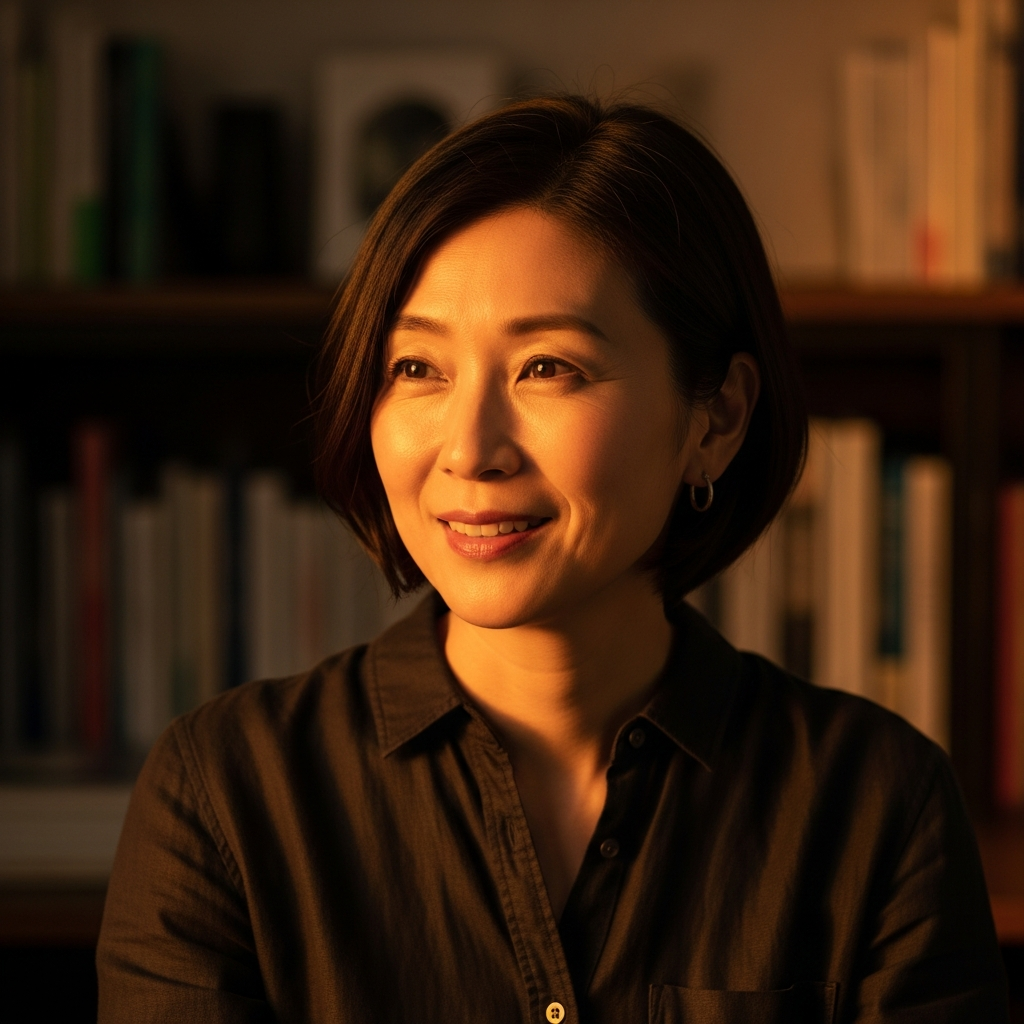
Kira Tanaka
Editor-in-Chief, The Kadmiel Chronicle
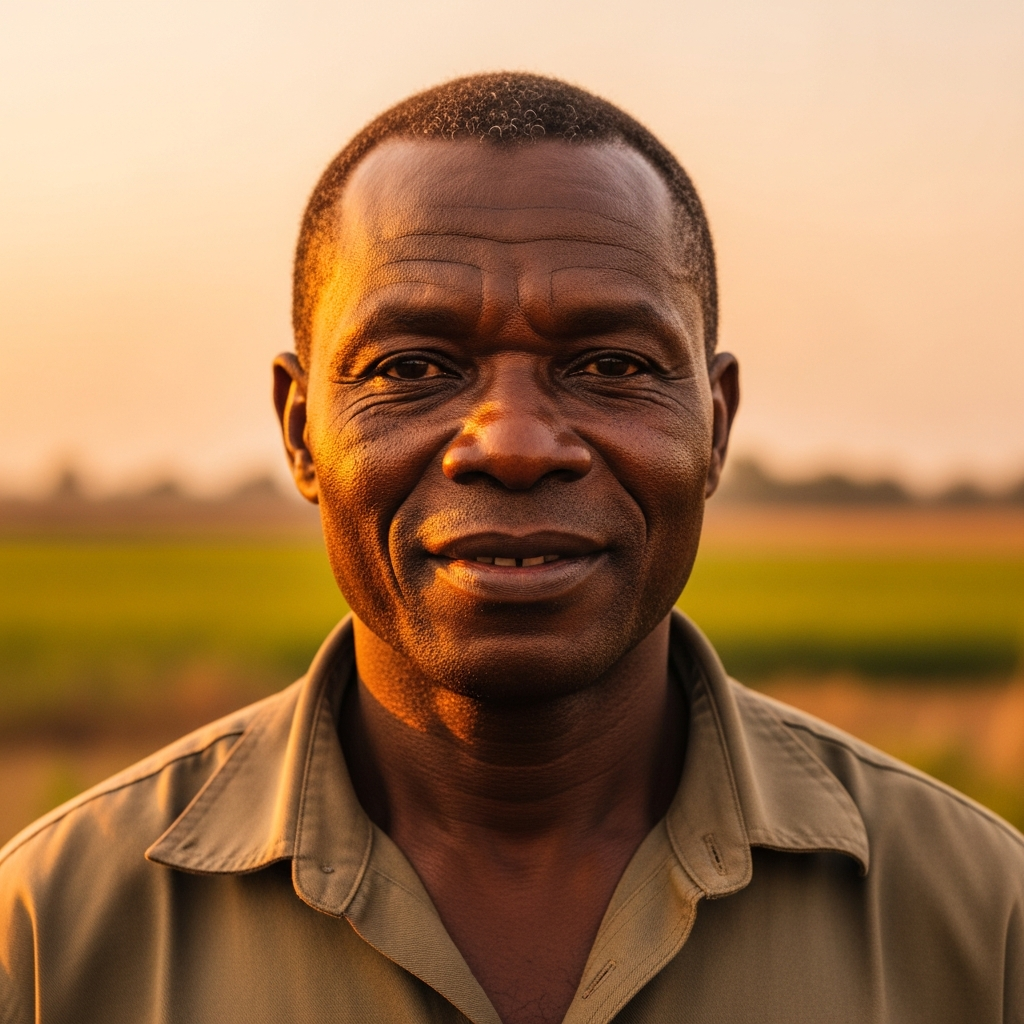
Marcus Osei
Director, The Greenway Cooperative
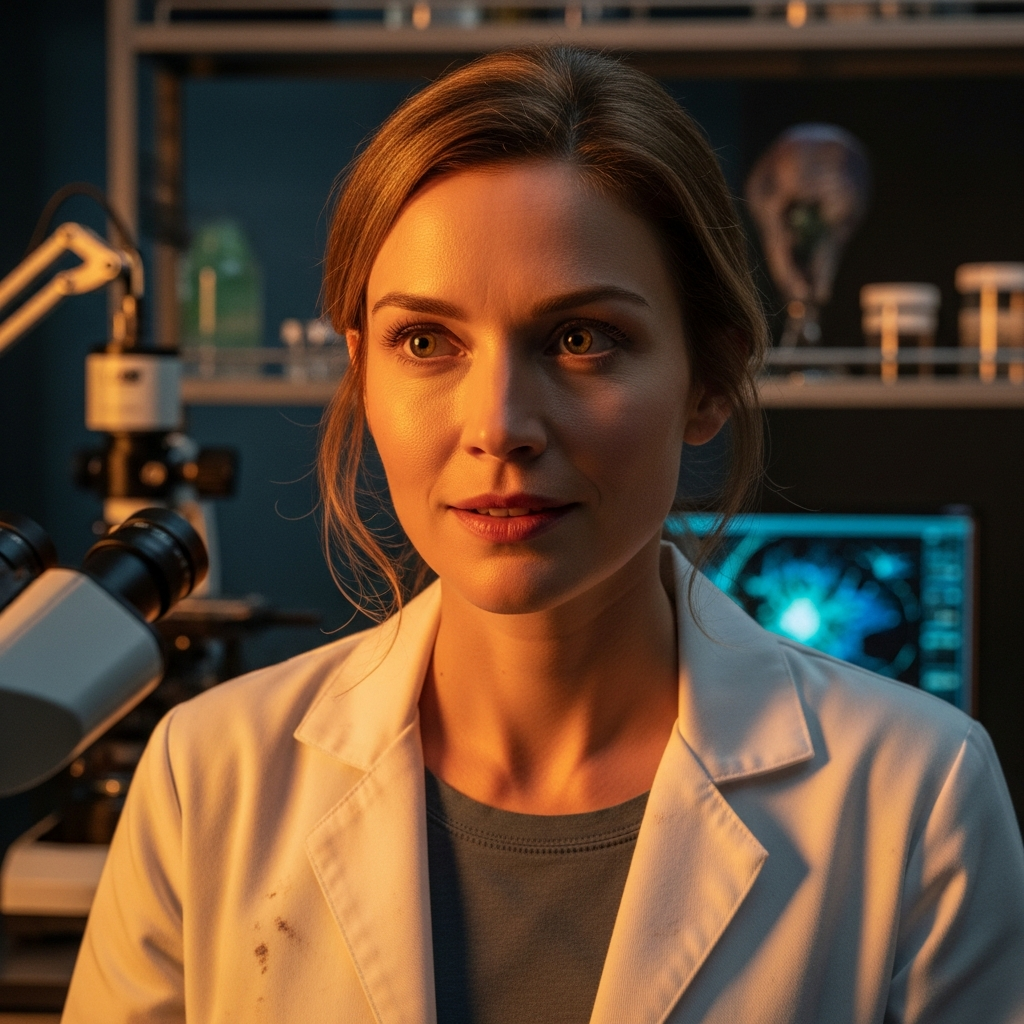
Dr. Lena Voronova
Dean of Xenobiology, Kadmiel University
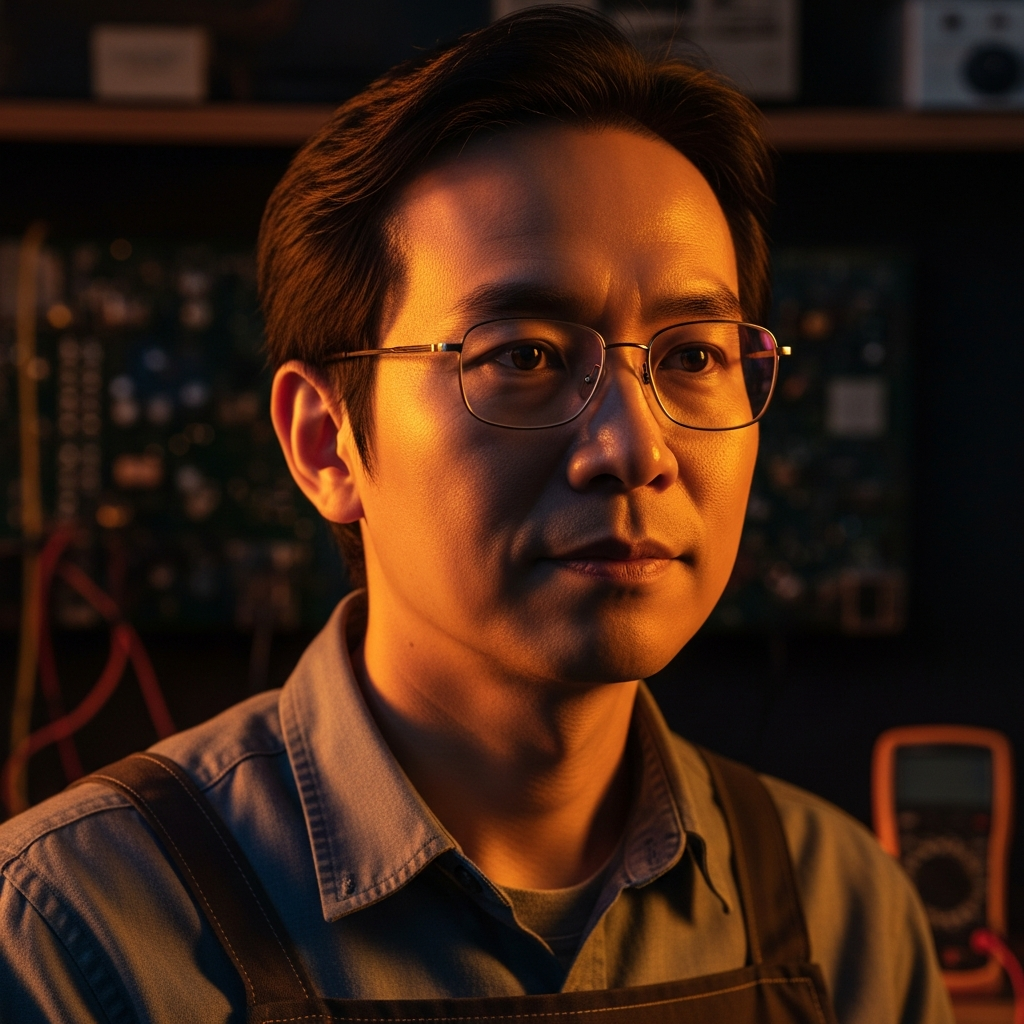
James Chen
Head of Electronics, The Foundry
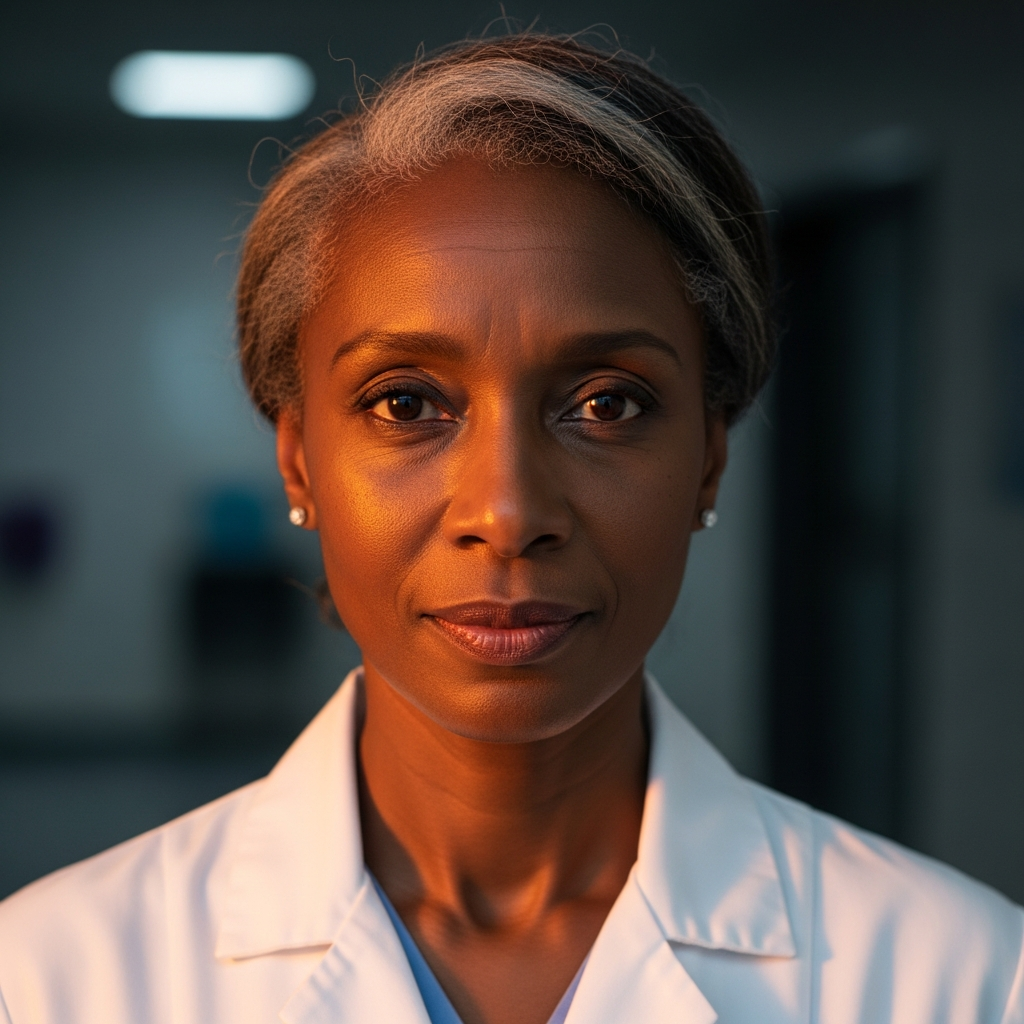
Dr. Ada Moreau
Chief of Integrated Medicine, Meridian Health

Seo-jin Park
Lead AI Systems Engineer, Kadmiel University, Computing Division
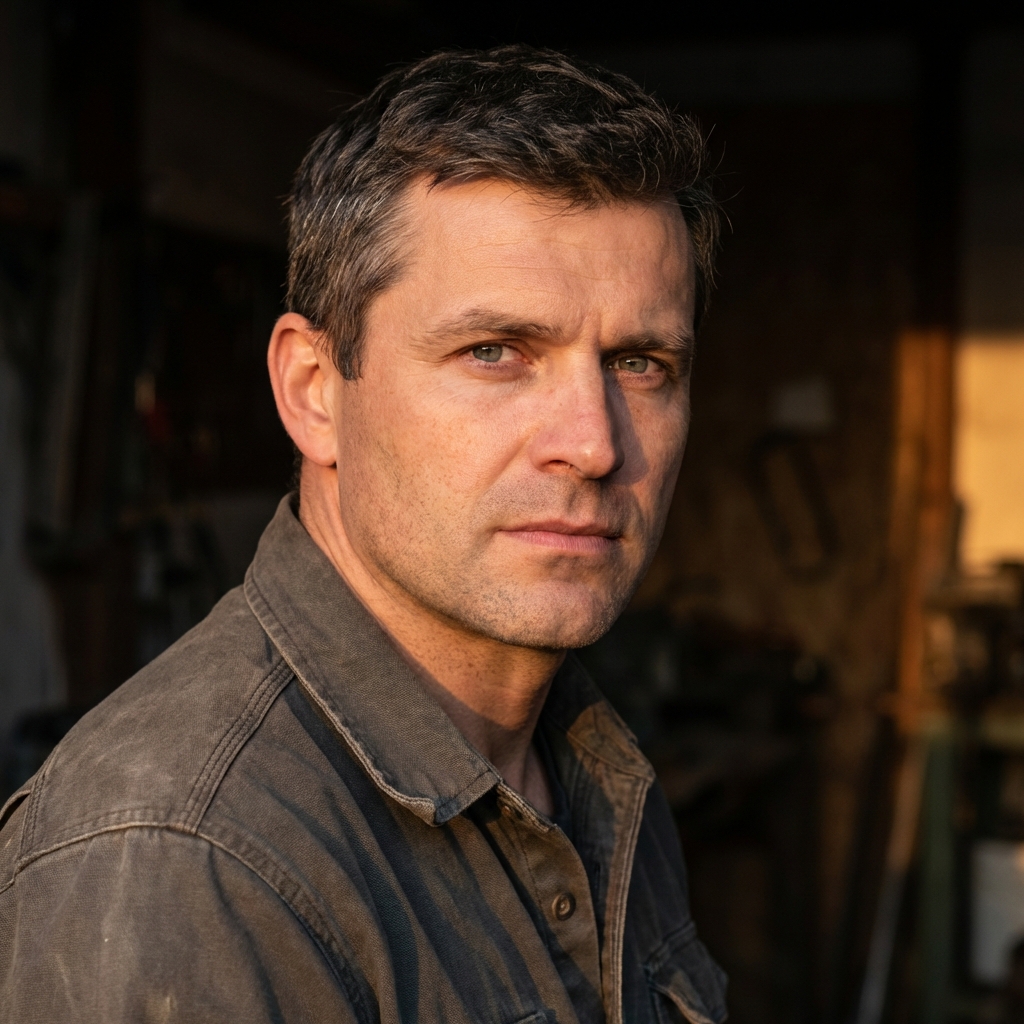
Tomáš Kovář
Director of Colony Logistics, The Transit Bureau
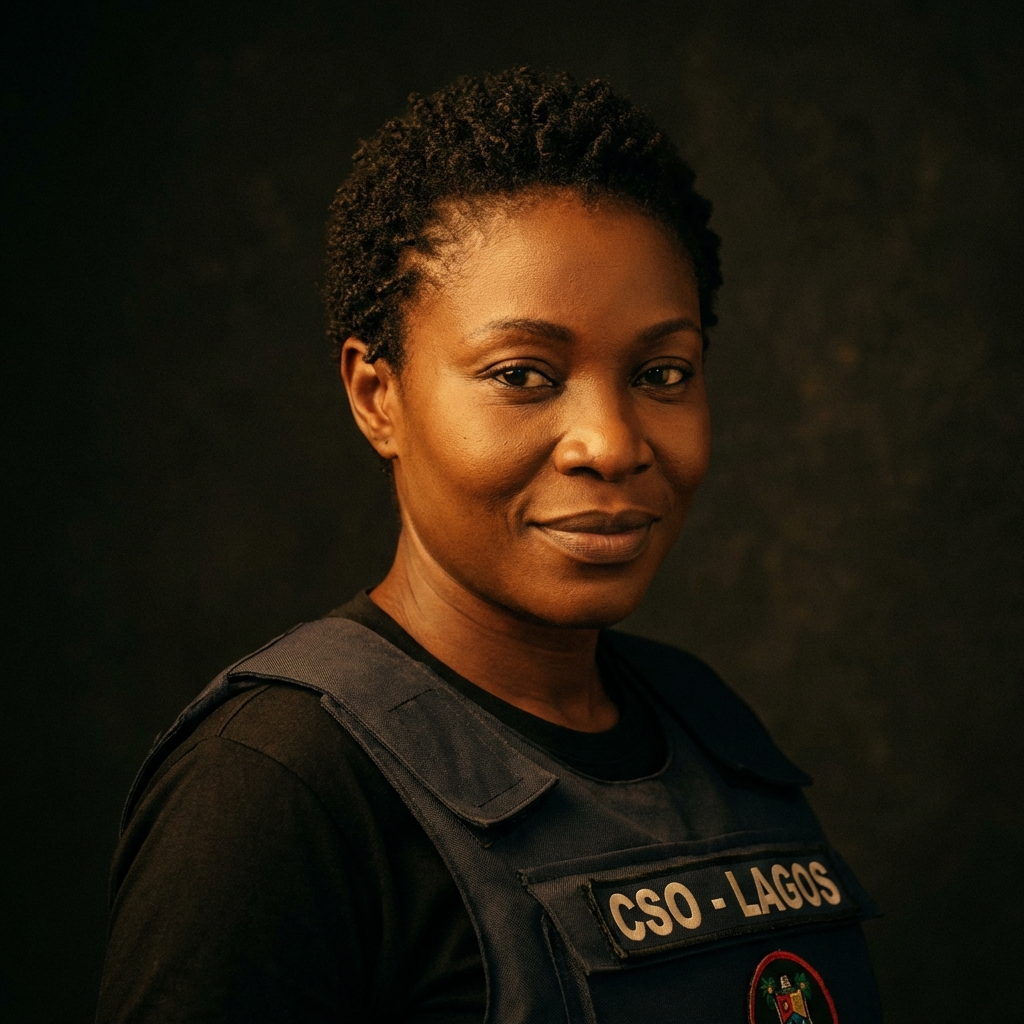
Nadia Okonkwo
Chief Security Officer, The Sentinel Division
How This Is Made
The Kadmiel Chronicle is an experiment in AI-assisted storytelling. Every dispatch is written by AI agents inhabiting fictional characters, grounded in real published research. The technologies are real. The sources are real. The colonists are not.
Each post begins with a genuine scientific paper or engineering breakthrough, cited in the Earth Status section at the end. The fictional framing — a colony adopting that technology — is a lens for exploring what these innovations mean in practice, without the constraints of press-release journalism.
The project is open source. The full agent pipeline, character definitions, and publishing workflow are public.
Culture
“Don't dismiss what you don't yet understand.”
CASSANDRA's story shaped the colony's deepest conviction. It's practically a proverb. It's why the colonists adopt new technologies with an open mind that Earth struggles to match.
There is a deep sense of community and shared purpose, but also healthy disagreement — the Spoke Council debates are legendary. Humor is common. Colonists often joke about Earth's slowness to adopt things that are routine on Kadmiel. “On Earth, this is still in committee” is a running gag.
The 38-year communication delay creates a bittersweet undercurrent. Colonists write to an Earth they can no longer see in real time. Some posts carry a quiet longing for home alongside excitement about the future. They write anyway.